Monel Forgings are top-notch components made from nickel-copper alloys, celebrated for their incredible strength, resistance to corrosion, and durability in tough environments. These forgings are typically crafted using open-die, closed-die, or ring-rolling methods, ensuring they have outstanding structural integrity and a consistent grain flow. Monel forgings are perfect for industries that demand reliable performance under high pressure, extreme temperatures, and harsh conditions, such as marine engineering, oil and gas, chemical processing, and aerospace. Their remarkable ability to resist seawater corrosion, acidic solutions, and mechanical stress makes them a go-to choice for essential and long-lasting equipment.
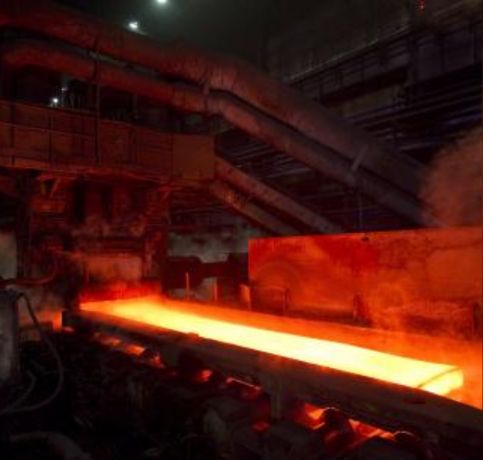
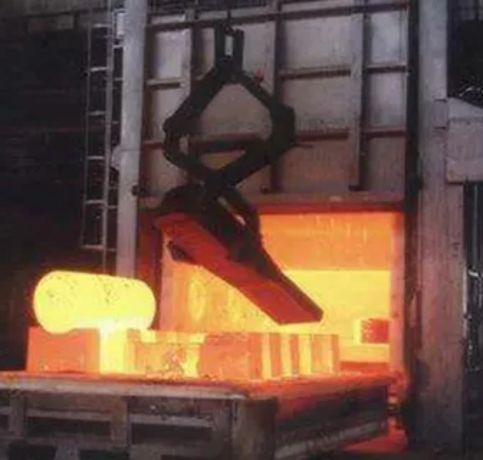
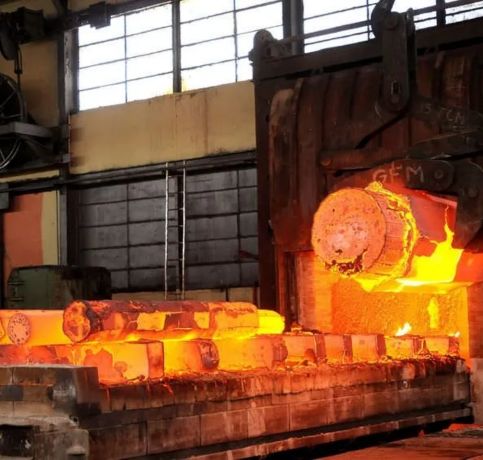
Monel forgings, usually based on Monel 400 or similar grades, consist of about 63% nickel and 28–34% copper, along with trace amounts of iron, manganese, carbon, and silicon. This high nickel content gives them exceptional resistance to seawater, alkalis, and various corrosive substances. Monel forgings boast excellent mechanical strength, good ductility, and toughness, even in freezing temperatures. They also feature low magnetic permeability, high thermal conductivity, and strong resistance to stress-corrosion cracking, erosion, and pitting, making them reliable and stable in challenging operating conditions.
Specifications ASTM B564 / ASME SB564
Flat bar blocks up to 27″ width and 15,000 lbs.
Cylinders and sleeves up to 50″ maximum O.D. and 65″ maximum length
Discs and hubs up to 50″ diameter and 20,000 lbs.
Rolled, hand forged or mandrel forged rings up to 84″ maximum O.D. and 40″ maximum length
Rounds, shafts and step shafts up to 144″ maximum length and 20,000 lbs.
Grades Monel 400, Monel K500
| Grade | C | Mn | Si | S | Cu | Fe | Ni |
| Monel 400 | 0.30 max | 2.00 max | 0.50 max | 0.024 max | 28.00 – 34.00 | 2.50 max | 63.00 min |
| Monel K500 | 0.25 max | 1.5 max | 0.5 max | 0.010 max | 27.00 – 33.00 | 0.5 – 2 | 63.00 min |
| Element | Density | Melting Point | Tensile Strength | Yield Strength (0.2%Offset) | Elongation |
| Monel 400 | 8.8 g/cm3 | 1350 °C (2460 °F) | Psi – 80,000 , MPa – 550 | Psi – 35,000 , MPa – 240 | 40 % |
| Monel K500 | 8.44 g/cm3 | 1350 °C (2460 °F) | Psi – 160000 , MPa – 1100 | Psi – 115000 , MPa – 790 | 20 % |
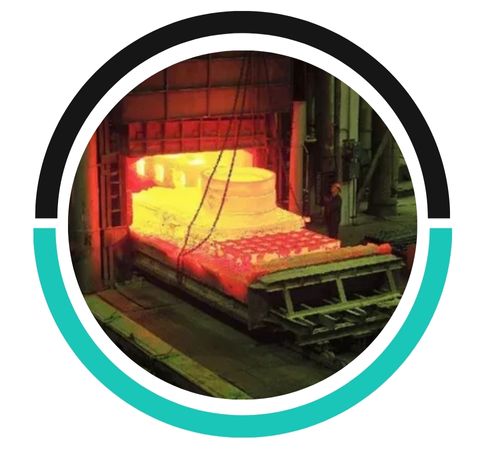
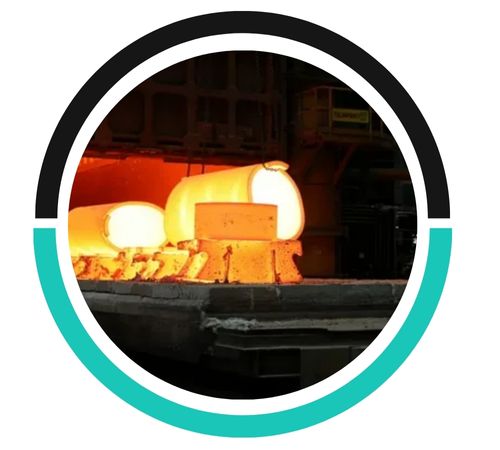
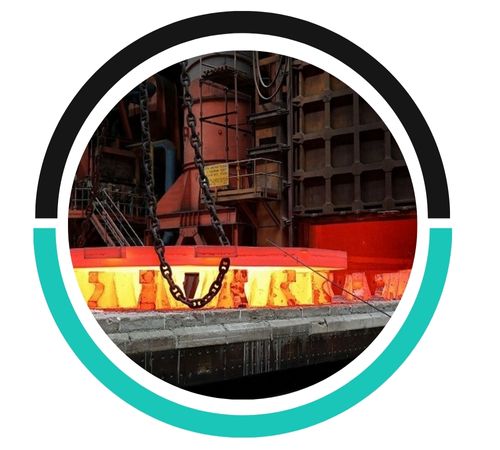
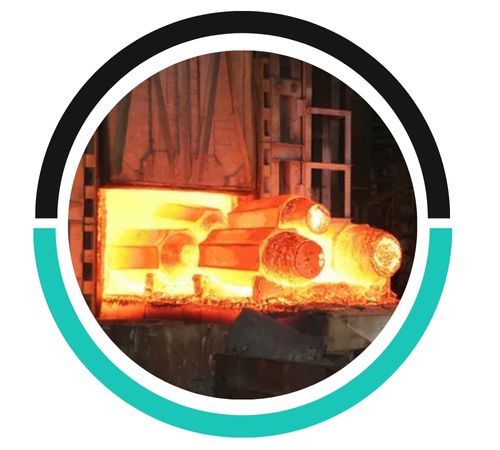
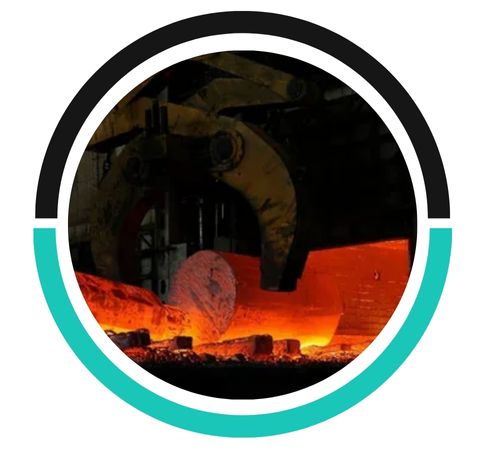
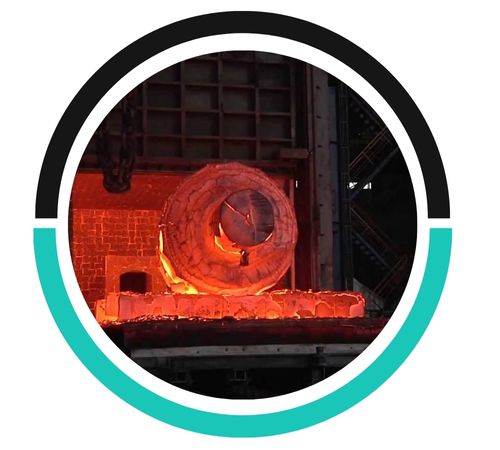
The forging process for Monel typically takes several hours, depending on the size and complexity of the component. It involves heating, shaping, and cooling, with each stage carefully controlled to ensure quality.
The most suitable forging techniques for Monel alloys include open-die and closed-die forging. These methods ensure precise shaping and maintain the material's strength and corrosion resistance during the process.
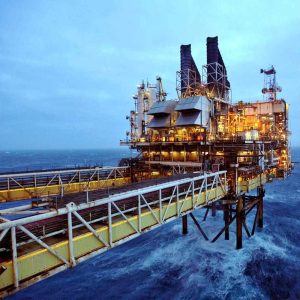
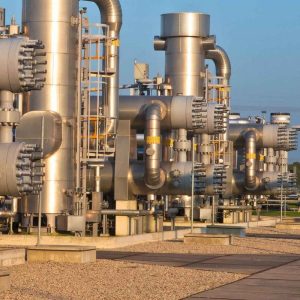
Monel Forgings are widely used in industries where reliability and corrosion resistance are paramount. In the marine sector, they find applications in propeller shafts, pump components, valve parts, and hardware exposed to seawater. In the oil and gas industry, Monel forgings are preferred for downhole tools, drilling components, and equipment used in sour-gas service. Chemical processing facilities utilize them for reactor parts, heat-exchanger components, and fittings that come into contact with aggressive media. In aerospace, they are used for fasteners, landing gear hardware, and critical structural elements that require high strength and durability.


We provide products that come with both mill test certificates and third-party test certificates, ensuring the highest standards of quality and compliance.
Hemi Metals is a leading manufacturer, supplier, and exporter of high-quality bars, rods, and forgings, catering to various industries in Hamilton New Zealand
Copyright 2024 Hemi Metals. All rights reserved
